Articles
Why Your Product Visuals Are Losing You Retail Listings
You've done the hard work. The product is ready, the pricing is competitive, and you've finally secured a meeting with a category buyer at a major retailer. Then you send over your presentation — and nothing happens.
In most cases, the product itself isn't the problem. The visuals are.
Retail buyers at chains like REWE, EDEKA, and Lidl review hundreds of new product pitches every year. In the first few seconds of seeing your presentation, they're making a judgment — not just about your product, but about your brand's professionalism and readiness to be on their shelf. A blurry photo, an inconsistent mockup, or a Photoshop cutout on a white background sends a clear signal: this brand isn't ready.
What buyers actually look at
When a category buyer opens your pitch, they're mentally asking several questions at once. Does this product look shelf-ready? Can I picture it sitting next to the competition? Is the packaging clear and compliant? Does this brand know what it's doing?
Your visuals need to answer all of those questions before a single word is read. That means showing your product from multiple angles, in context, and at a quality level that matches what buyers are used to seeing from established brands.
The Photoshop mockup problem
Many smaller FMCG brands rely on Photoshop mockups — a flat label dropped onto a generic bottle or box template. Buyers see through these immediately. They look artificial, they don't reflect real packaging dimensions, and they make it impossible to evaluate how the product will actually look on shelf.
Even worse, they signal that the brand hasn't invested seriously in its presentation. If you haven't invested in how your product looks in a pitch, why would a buyer trust that you'll invest in how it looks in their store?
What a retail-ready visual actually looks like
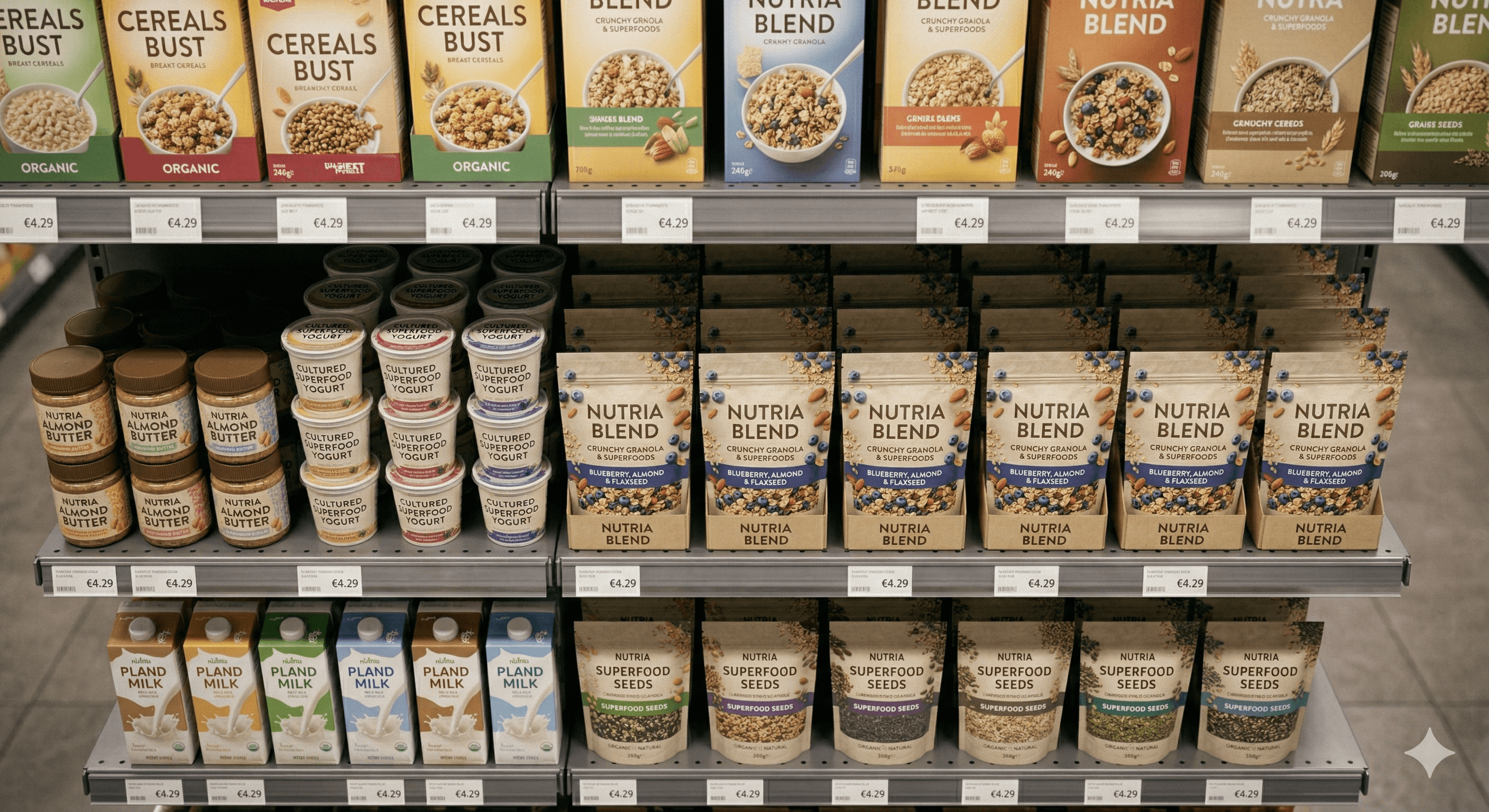
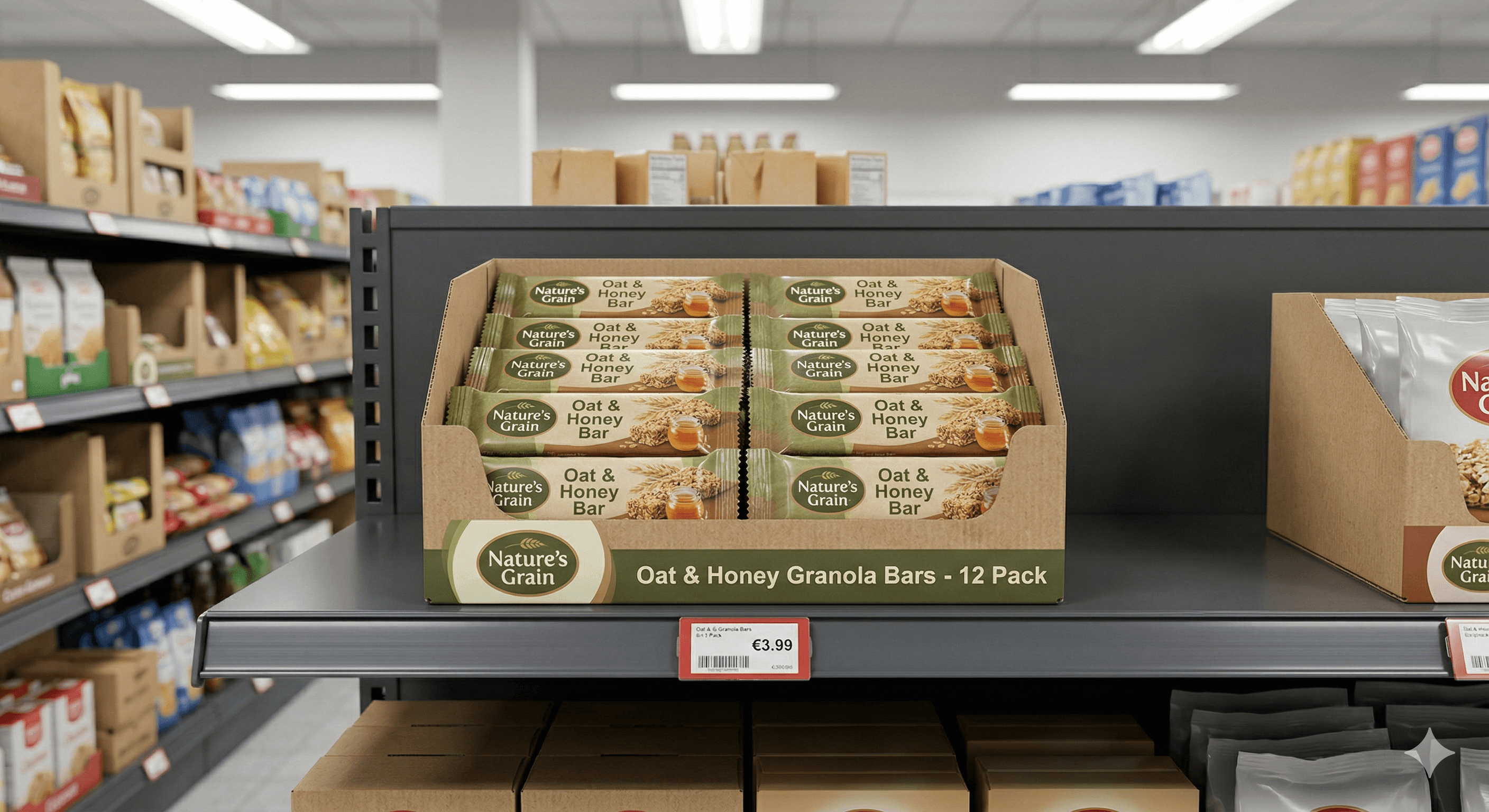
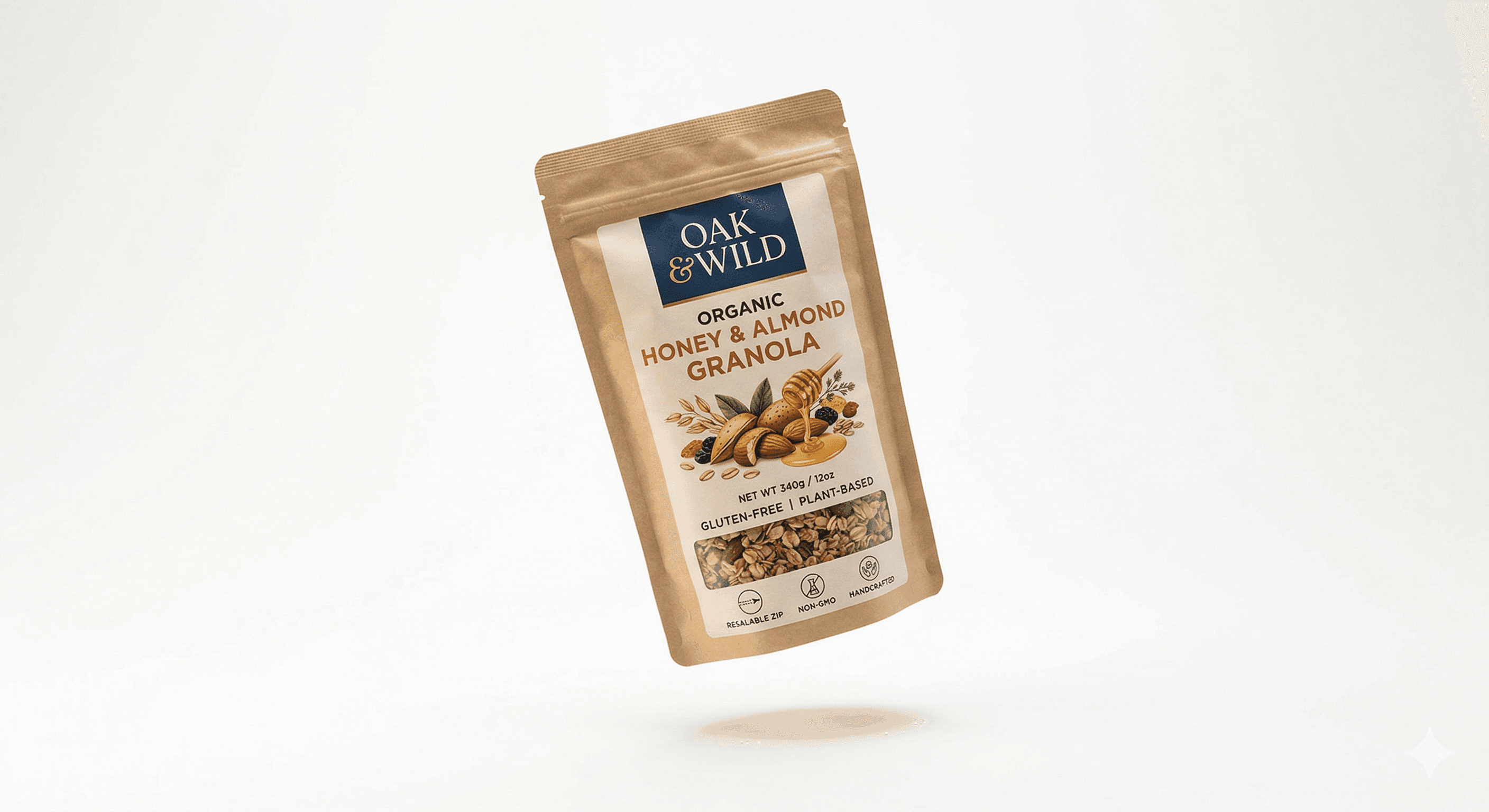
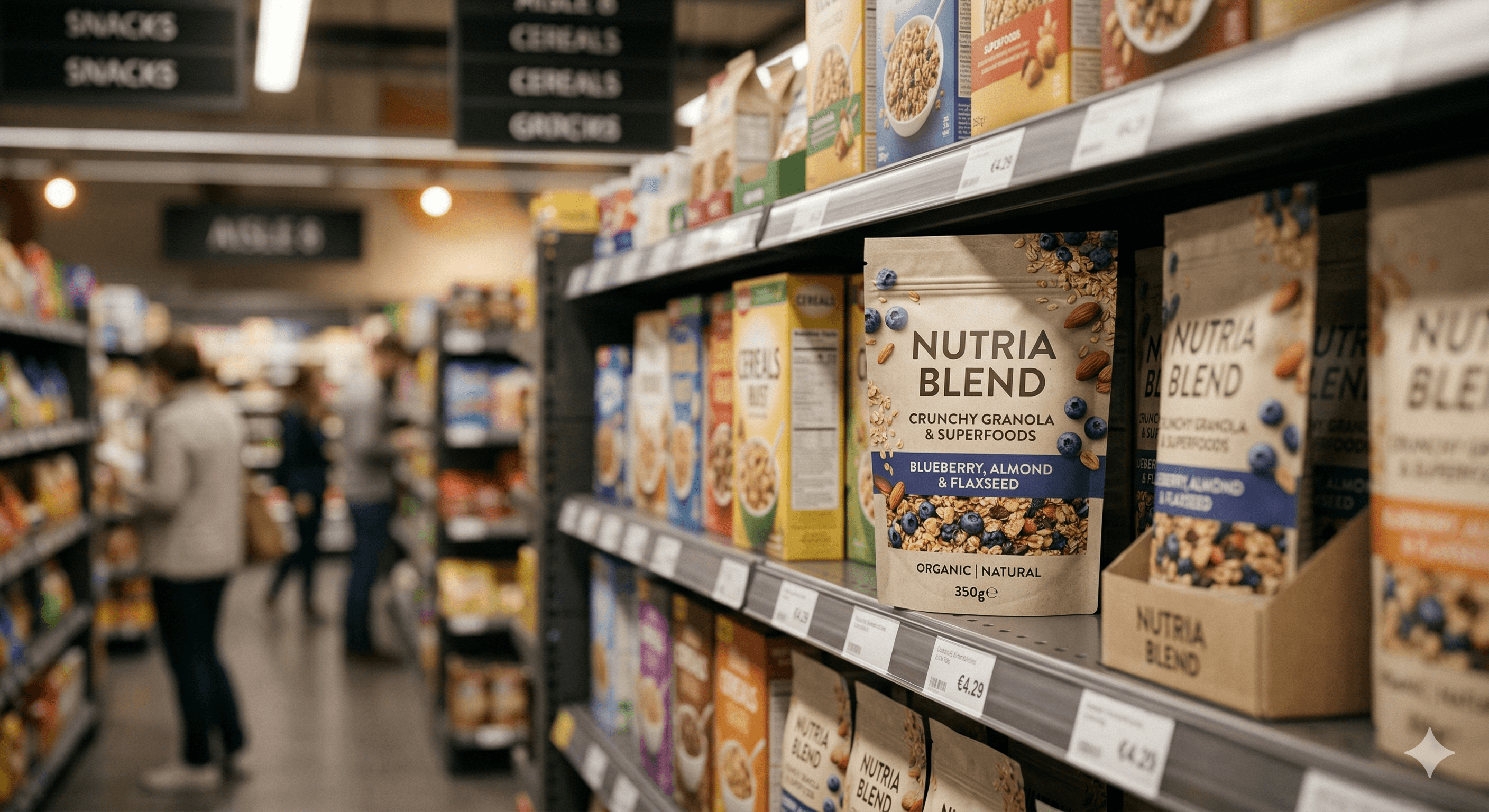
A retail-ready product visual is photorealistic, accurate to the actual packaging, and shown in a context that helps the buyer visualize placement. That means multiple product angles, a planogram-ready format for shelf planning software, and ideally an in-store rendering that shows exactly how the product looks on a real shelf among real competitors.
This isn't about vanity. It's about removing friction from the buyer's decision. The easier you make it for them to say yes, the more likely they are to.
The good news
Professional 3D product rendering has become significantly faster and more affordable in recent years. What used to require an expensive photoshoot and weeks of agency time can now be delivered in 48 hours — GS1 compliant and retail-ready — at a fraction of the cost.
For FMCG brands pitching to German retailers, this is no longer a nice-to-have. It's the baseline expectation. The brands getting listings are the ones showing up with visuals that make the buyer's job easy.
If your current visuals aren't doing that, that's worth fixing before your next pitch.