Tips
3D Rendering vs. Product Photography: Which Is Right for Your FMCG Brand?
When FMCG brands need product visuals, the conversation usually comes down to two options: hire a photographer or invest in 3D rendering. Both can produce stunning results. But they serve different purposes, come at very different costs, and have very different implications for how quickly and flexibly you can work.
Here's an honest breakdown of both — so you can make the right call for your brand.
What product photography does well
Photography is the established standard for a reason. A skilled product photographer working in a well-equipped studio can produce images that feel warm, tactile, and immediately credible. For lifestyle imagery — a product being used in a real kitchen, held by a real person, placed on a real table — photography often still wins on emotional resonance.
Photography also works well when your packaging is already finalised and physically produced. If you have finished products in hand and need lifestyle or editorial imagery for a campaign, a photoshoot is a legitimate and proven choice.
Where photography falls short for FMCG brands
The problems start when your packaging isn't finished yet — which is almost always the case when you're pitching to retailers. You can't photograph a product that doesn't exist. And producing physical samples purely for a photoshoot adds cost and time that most brands can't absorb.
Photography is also inflexible. If your label changes after the shoot — a regulatory update, a design tweak, a new market variant — you're back to square one. Every change means a new shoot, new costs, and new delays.
For FMCG brands managing multiple SKUs across different markets, this inflexibility becomes a serious operational problem. The cost and complexity of maintaining up-to-date photography across an entire product range adds up fast.
What 3D rendering does well
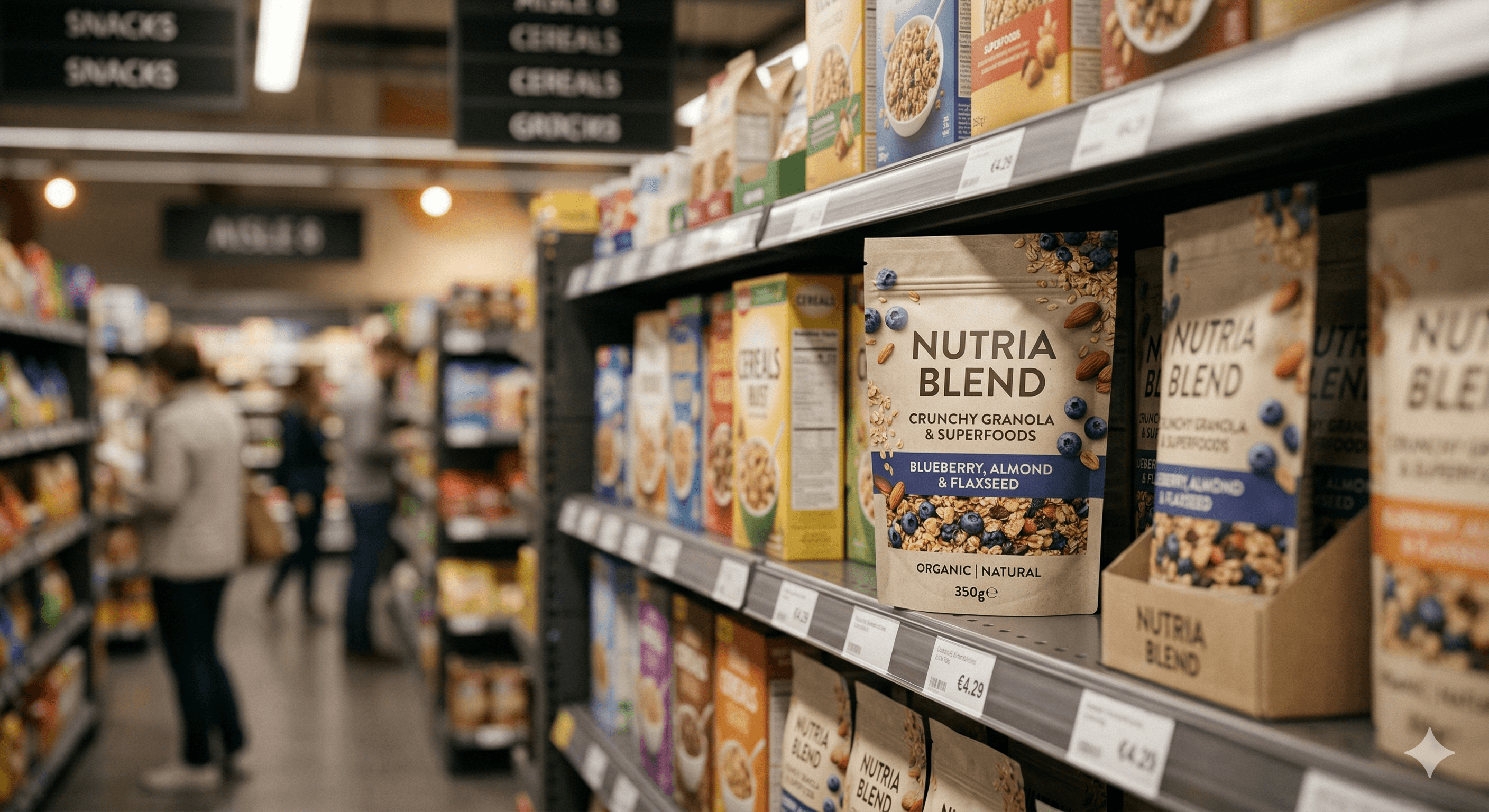
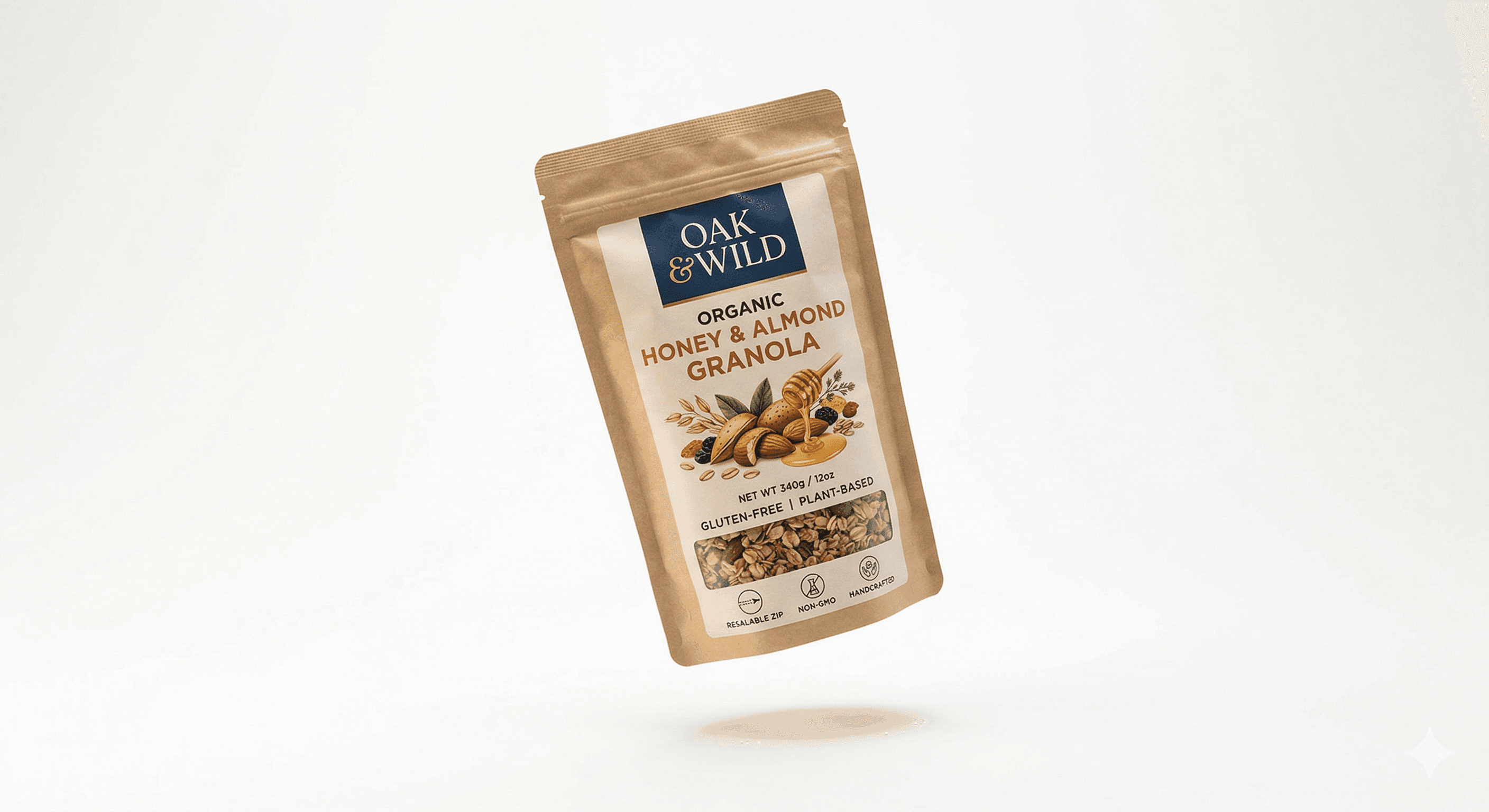
3D rendering produces photorealistic product visuals from your artwork files — no physical product required. This means you can have retail-ready visuals before your packaging has gone to print, which is exactly what you need when pitching to buyers ahead of a launch.
Rendering is also inherently flexible. If your label changes, updating a 3D render is a fraction of the cost and time of reshooting. New variant? New market? Different background or context? All of these are straightforward adjustments in a 3D workflow that would require entirely new photoshoots in a traditional setup.
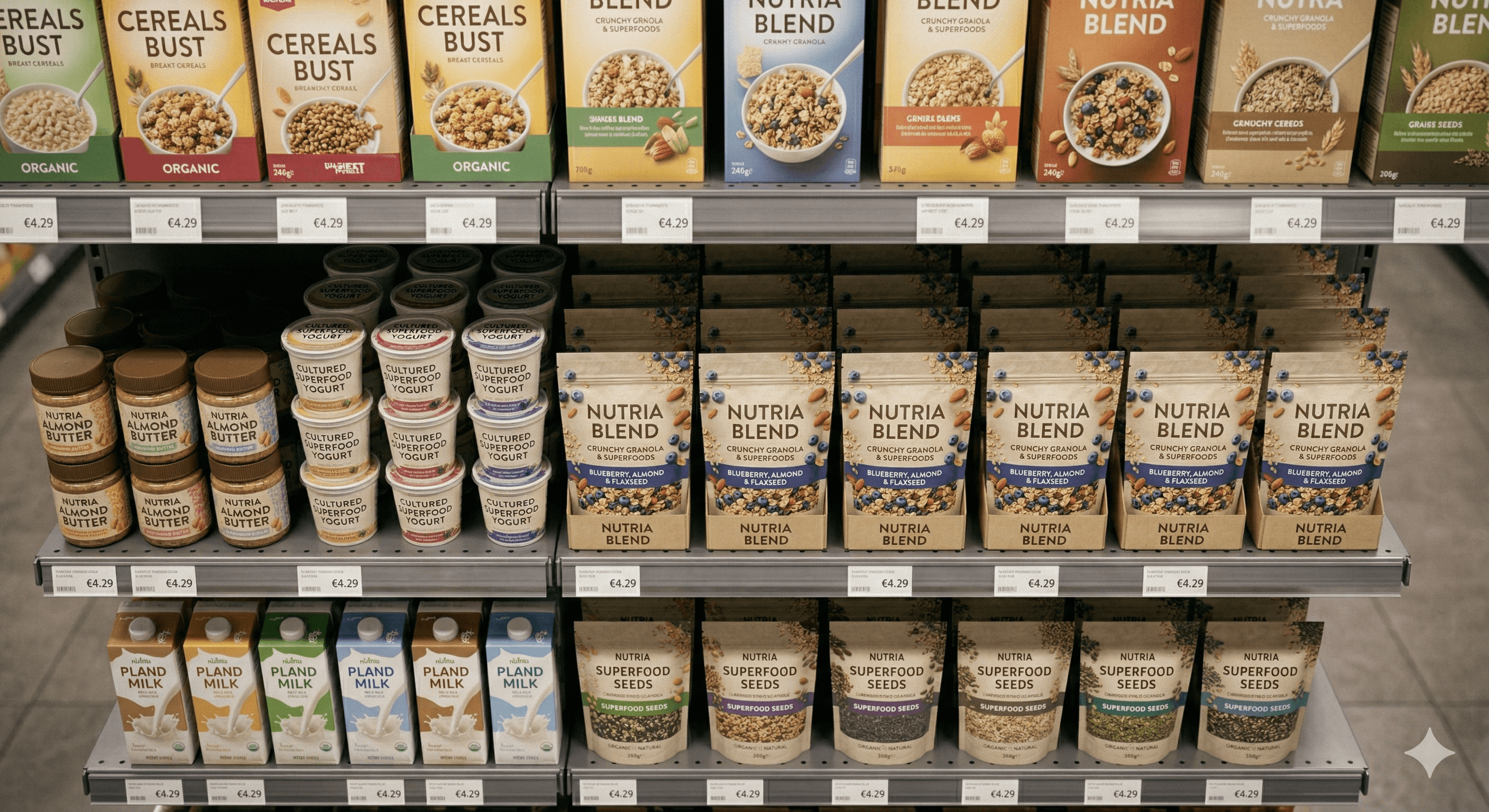
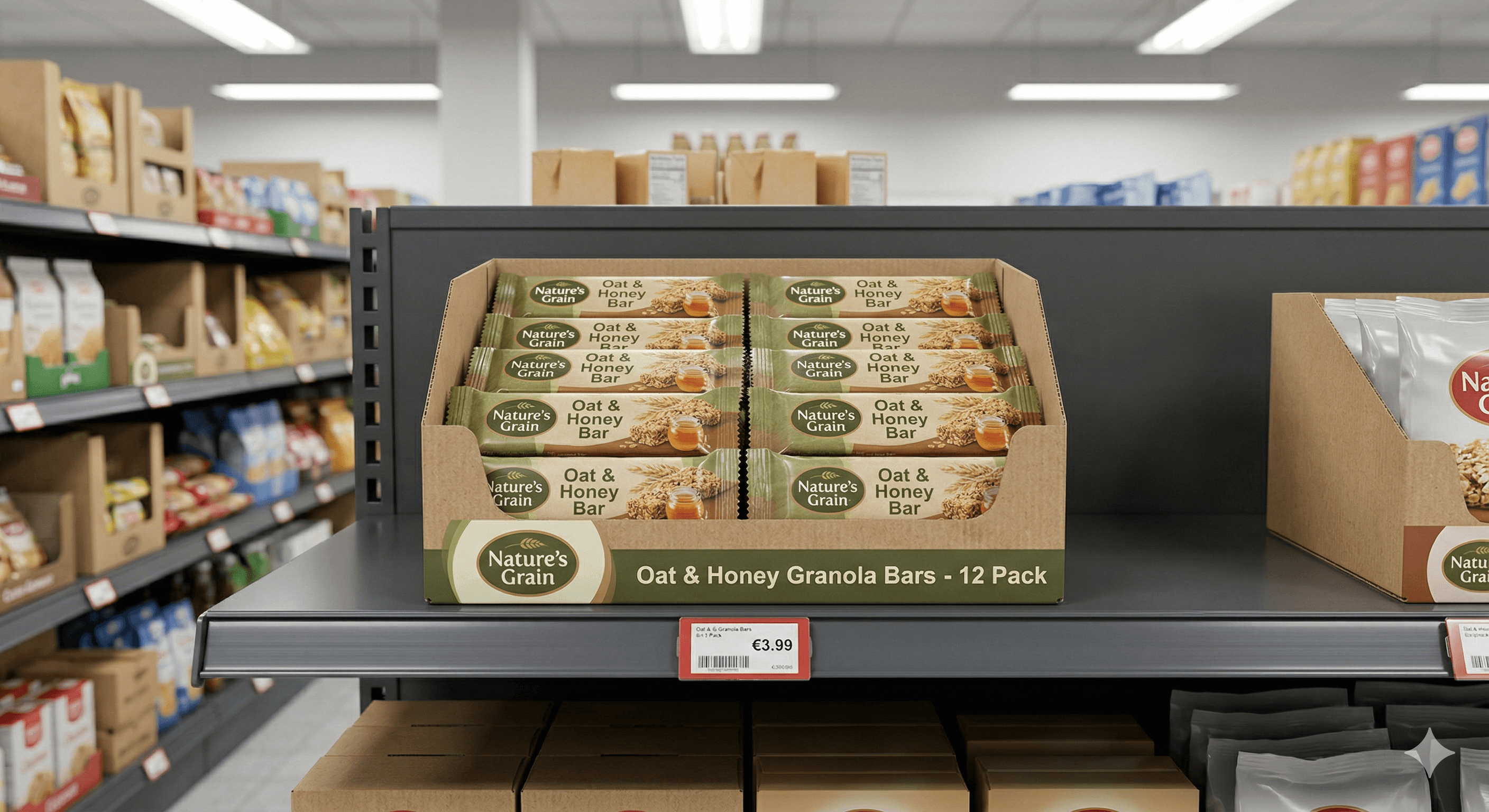
For planogram-ready images and SRP renderings specifically, 3D is the only practical option. These formats require precise technical specifications that photography simply can't match.
The cost comparison
A professional product photoshoot for a single SKU — studio time, photographer, retouching — typically costs anywhere from €500 to €2,000 or more depending on complexity. That's before you factor in reshoots for changes or variants.
3D rendering at a professional level starts significantly lower and scales efficiently across multiple SKUs. The more products you render in a single order, the better the economics become — something photography can rarely match.
So which should you choose?
For retail pitches, launch visuals, planogram images, and SRP presentations: 3D rendering is almost always the right choice. It's faster, more flexible, and produces exactly the formats retailers need.
For lifestyle campaigns, brand storytelling, and emotional consumer-facing content: photography still has a place, particularly when your product is already physically available.
The smartest FMCG brands use both — 3D for the retail and operational side, photography selectively for consumer marketing. But if you're early stage, launching a new product, or pitching to retailers for the first time, 3D rendering gives you far more for your budget.