Articles
How to Pitch a New Product to a German Retailer

Getting your product into a German supermarket is one of the most valuable things an FMCG brand can achieve — and one of the hardest. Germany is home to some of the most demanding retail buyers in Europe. REWE, EDEKA, Lidl, and Aldi operate at enormous scale, and their category managers are under constant pressure to make the right decisions about which products deserve shelf space.
If you've secured a pitch meeting, that's already an achievement. What you do with that meeting determines everything.
Understand how German retail buyers think
German retail buyers are analytical, detail-oriented, and deeply sceptical of brands that aren't fully prepared. Unlike some markets where relationships and enthusiasm carry a pitch, German buyers want data, compliance, and operational readiness above everything else.
They're not just evaluating your product. They're evaluating whether your brand is capable of being a reliable supplier. Can you deliver consistently? Are your labels compliant? Is your packaging retail-ready? Can you handle the volume? These questions are running in the background of every conversation.
What to include in your pitch
A strong pitch to a German retailer typically covers several areas. Your product and brand story should be concise and commercially framed — not a passion project narrative, but a clear explanation of the market opportunity and why your product fills a gap in their current range.
Pricing and margin structure needs to be transparent and competitive. German retailers, particularly discounters, operate on tight margins and expect suppliers to understand that reality from the first conversation.
Consumer demand evidence matters enormously. Sales data, market research, or even strong social proof helps buyers justify the risk of listing a new product. If you've already sold successfully in another market or channel, bring that data.
Logistics and supply chain readiness needs to be addressed proactively. Can you deliver to their distribution centres? What are your minimum order quantities? What is your lead time? Buyers who have to ask these questions are already less confident in you.
The visual presentation
This is where many brands underinvest — and where the difference between a successful and unsuccessful pitch is often made.
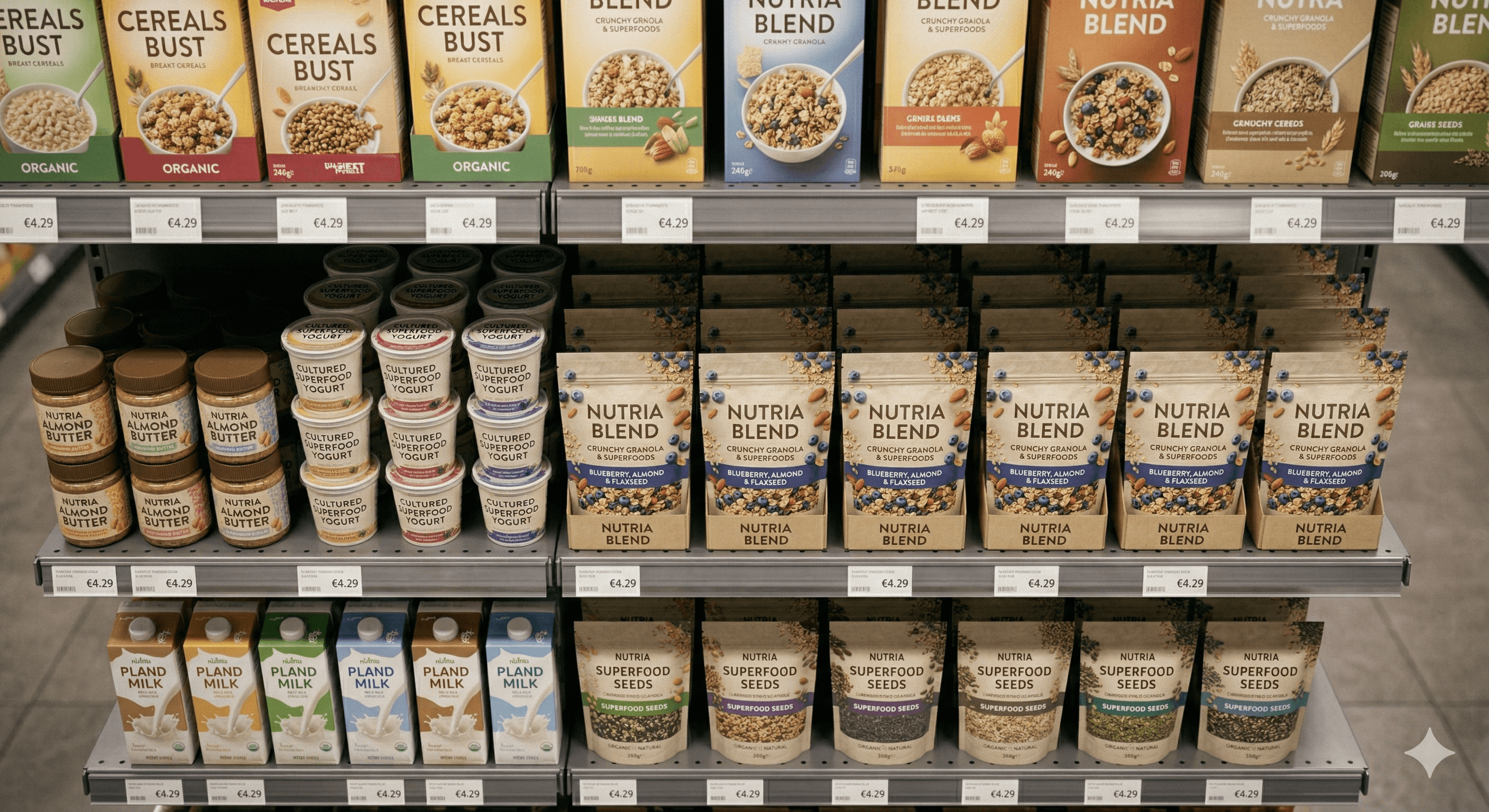
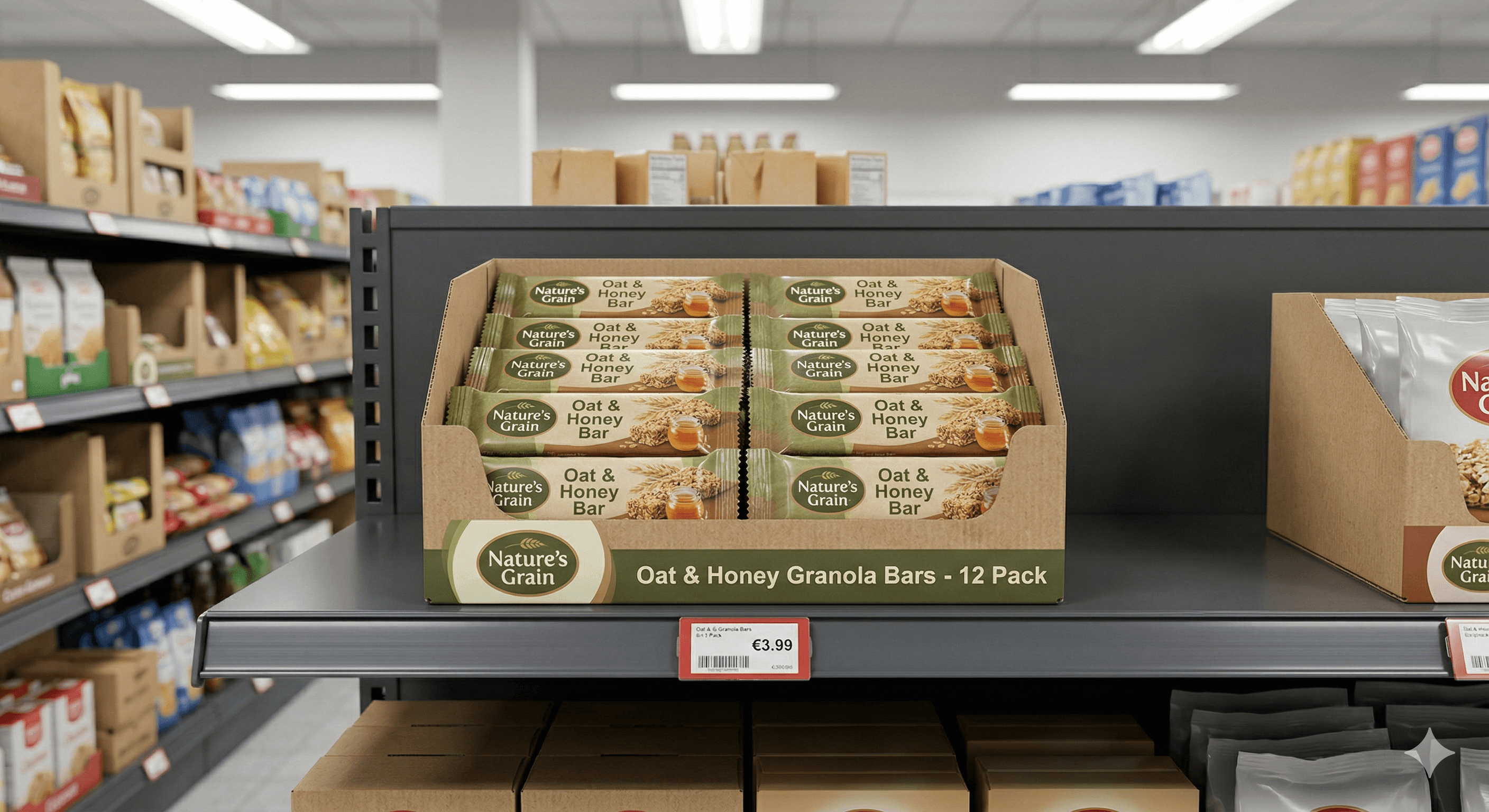
Your visual presentation needs to show your product as it will actually look in store. That means photorealistic product images from multiple angles, a planogram-ready rendering that shows how your SKU fits into their shelf layout, and an SRP rendering that demonstrates how your shelf-ready packaging will look when it lands on their shelf.
German buyers are precise. A blurry image, an inconsistent mockup, or a missing format tells them that your brand isn't operationally ready. Professional 3D renderings — delivered to the exact specifications retailers expect — remove that doubt entirely.
GS1 compliance is non-negotiable
In Germany, GS1 standards are deeply embedded in retail operations. Your product data, barcodes, and imagery need to meet GS1 requirements before a major retailer will even consider processing your listing. This isn't a bureaucratic detail — it's a baseline requirement that serious suppliers have covered before the pitch.
If your product visuals and data aren't GS1 compliant, fix that before you walk into the room.
The follow-up
German business culture values punctuality, precision, and follow-through. After your pitch, follow up promptly with any materials the buyer requested — and do it exactly as requested, not approximately. If they asked for a specific image format, deliver that format. If they asked for a price list by Friday, deliver it Thursday.
The pitch doesn't end when you leave the room. How you handle the follow-up tells the buyer as much about your reliability as the pitch itself.
The practical takeaway
Pitching to a German retailer requires more preparation than most brands expect. The brands that get listed are the ones that arrive with complete, compliant, professionally presented materials — and follow up with the same level of precision. If your visuals, data, and logistics aren't ready, the meeting isn't ready either.